.png)

Essential Travel Tips for your First-Time in Ireland
- wonderstraveleu
- Oct 15, 2025
- 6 min read
Updated: Dec 29, 2025
Traveling for the first time can be both exciting and overwhelming. The thrill of exploring new places, meeting new people, and experiencing different cultures is unmatched. However, the thought of planning a trip can also bring about a lot of stress. Fear not, as this guide is here to help you navigate your first adventure with ease.
In this post, we will cover essential travel tips that will make your journey to Ireland smoother and more enjoyable. So, let’s dive in and prepare you for the adventure of a lifetime!
What currency do we use?
We use the euro (€) in the Republic of Ireland. This always surprises people because Northern Ireland (still on the island) uses British pounds, so if you’re hopping up to Belfast or the Giant’s Causeway, you’ll suddenly need a different currency. Most places take card everywhere, even tiny cafés, but having a little cash never hurts—especially in rural towns where small shops sometimes have minimums for card payments.
Connection
Power sockets here are the UK-style ones: three rectangular pins. They look intimidating but work fine with a cheap adapter. Voltage is 230V, so double-check your plugs. Hotels usually have USB ports too, but not always.
As per internet, public transports like buses and trains have free wi-fi, but if you want to stay connected and need a SIM card, you can get it in stores like Three, Vodafone or Eir. You can also charge your phone with USB cables on public transport.
As for transportation, Ireland looks small on the map, but travel takes longer than you think. Roads outside the cities are winding and narrow (beautiful, but slow), and public transport between rural areas can be limited. If you want freedom to explore villages, cliffs, and countryside, renting a car is honestly the best option. Just remember—we drive on the left. And don’t freak out if sheep wander onto the road; it’s very normal.
We don't have metro stations, so we rely on the train, Luas (tram) and buses. Your options are limited specially coming from the airport, which we only have buses that will take you somewhere in the city centre or taxis, which can be very pricy. So if you're planning on taking public transport from the airport, you should plan it carefully as the journey can take at least one hour and you'll probably have to take more than one bus, that is if you're not staying in the actual city centre.
How's the weather in Ireland?
I can’t stress this enough—Ireland’s weather has a personality, and she is dramatic. We really do get all four seasons in one day. Even in summer, bring a light waterproof jacket and comfortable shoes that can handle rain. Locals don’t use umbrellas much because the wind just flips them inside out. Layers are your best friend here.
Spring in Ireland is a season of renewal. The days slowly grow longer, flowers begin to bloom, and the countryside shakes off winter’s grey tones.
Temperatures: Typically range from 9–15°C (48–59°F).
Weather patterns: A mix of sunshine, light rain, and the occasional cold snap.
What it feels like: Crisp mornings, milder afternoons, and rapidly changing conditions—locals often joke you can experience all four seasons in one day.
Spring is a lovely time to visit if you don’t mind layering up. Daffodils, cherry blossoms, and lambs in the fields make the landscape especially picturesque.
Irish summer is gentle rather than hot, but they come with a major perk: long daylight hours, especially in June.
Temperatures: Usually between 15–20°C (59–68°F), occasionally warmer.
Weather patterns: Mix of sunny spells, cloud cover, and passing showers.
What it feels like: Comfortable and fresh, rarely humid or oppressive.
While rain is still possible, summer is the driest season overall. It’s the best time for coastal walks, festivals, and outdoor pubs—just keep a light jacket handy.
Autumn is atmospheric and beautiful. The countryside turns shades of gold, rust, and deep green, while the weather gradually becomes cooler and wetter.
Temperatures: Around 10–15°C (50–59°F) early on, dropping as winter approaches.
Weather patterns: More frequent rain and stronger winds, especially along the coast.
What it feels like: Cool, fresh, and increasingly blustery.
September can still feel quite mild, but by November the days shorten significantly. It’s a season perfect for cozy cafés, scenic drives, and dramatic skies.
Winter is not harsh by most standards, especially compared to continental Europe or North America.
Temperatures: Usually between 2–8°C (36–46°F).
Weather patterns: Frequent rain, overcast skies, and strong Atlantic winds.
What it feels like: Damp and chilly rather than freezing.
Snow is rare and usually short-lived, though frost is common on clear nights. The upside? Winter storms can be spectacular along the coast, and the festive season brings warmth of a different kind.
Is it safe?
Something a lot of visitors don’t realize: Ireland is super safe, especially compared to many countries. Of course, you still need basic common sense in cities at night, but generally, people are kind, helpful, and quick with directions.
What to watch for
Petty crime, especially pickpocketing and phone theft, mainly in busy areas of cities like Dublin
Late-night incidents around pubs or nightlife districts, usually alcohol-related
Occasional anti-social behavior in specific urban areas
Using normal city awareness—keeping valuables secure, avoiding poorly lit areas late at night—goes a long way.
Cities vs Rural Areas
Cities (Dublin, Cork, Galway, Limerick): Generally safe, but some neighborhoods are best avoided late at night.
Rural Ireland: Extremely safe, with very low crime rates. Many rural areas feel peaceful and close-knit.
Is it expensive?
Ireland is one of the more expensive countries in Europe, particularly in:
Dublin
Tourist-heavy towns
Rent and accommodation (more than food)
Food prices are high compared to Southern and Eastern Europe, but similar to the UK, Scandinavia-lite, or major US cities.
Cafés & Casual Spots
Coffee
€3.50–€4.50 for a regular coffee
Specialty or large drinks can hit €5
Pastries & Light Bites
Pastry or scone: €3–€4
Toasties / sandwiches: €6–€9
Soup + bread combo: €7–€10
Many cafés are high quality—good coffee culture, locally sourced ingredients—but prices reflect higher wages and rent.
Restaurants: What You’ll Pay
Casual / Pub Food
Main dish: €14–€20
Burger & chips: €16–€19
Fish and chips: €15–€18
Pub food is filling and reliable, though not always cheap.
Mid-Range Restaurants
Main course: €18–€28
Starter: €7–€12
Dessert: €7–€10
A typical two-course meal with a drink can easily be €30–€40 per person.
Higher-End Dining
Mains often €30+
Tasting menus: €70–€120+
Wine is expensive due to alcohol taxes
Quality is usually excellent, especially for seafood, beef, and modern Irish cuisine.
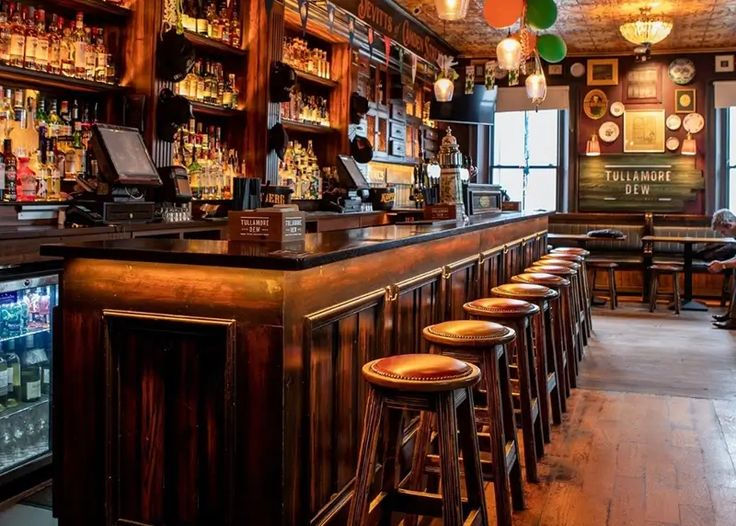
Drinks (Important!)
Alcohol is where many visitors feel the cost most.
Pint of beer: €6–€8 (Dublin is usually at the high end)
Glass of wine: €7–€10
Cocktails: €12–€15
There’s no way around this—alcohol is heavily taxed in Ireland.
STEER clear from eating and drinking in Temple Bar, it is an absolute tourist trap!
Dublin vs Elsewhere
Dublin: Most expensive, especially city centre
Galway, Cork: Slightly cheaper but still pricey
Small towns & rural areas: Best value, larger portions, friendlier prices.
When it comes to tipping, it’s appreciated but not required. In restaurants with table service, 10–12% is standard if service was good. We don’t tip for drinks at a pub unless the bartender spends extra time making something fancy or gives amazing service. Taxi drivers don’t expect tips, but rounding up is common.
One more thing that catches visitors off guard: opening hours. Small shops in rural towns often close early, and even some cafés shut in the late afternoon. Pubs stay open later, of course, but don’t assume everything will be open until night like in bigger European cities. Sundays especially are slow and quiet.
And lastly, a cultural one: don’t rush the pace. Ireland is best enjoyed slowly. Things take time here—service, chats, scenic drives, hikes, even the weather clearing up. Lean into it. The magic of Ireland is in the atmosphere, not a checklist.
As you prepare for your first adventure, remember that travel is a learning experience.
By following these essential travel tips, you can embark on your journey with confidence. Embrace the excitement, stay curious, and most importantly, have fun and boy do we have fun in Ireland!
Your adventure awaits, so pack your bags and get ready to explore the world!
Comments